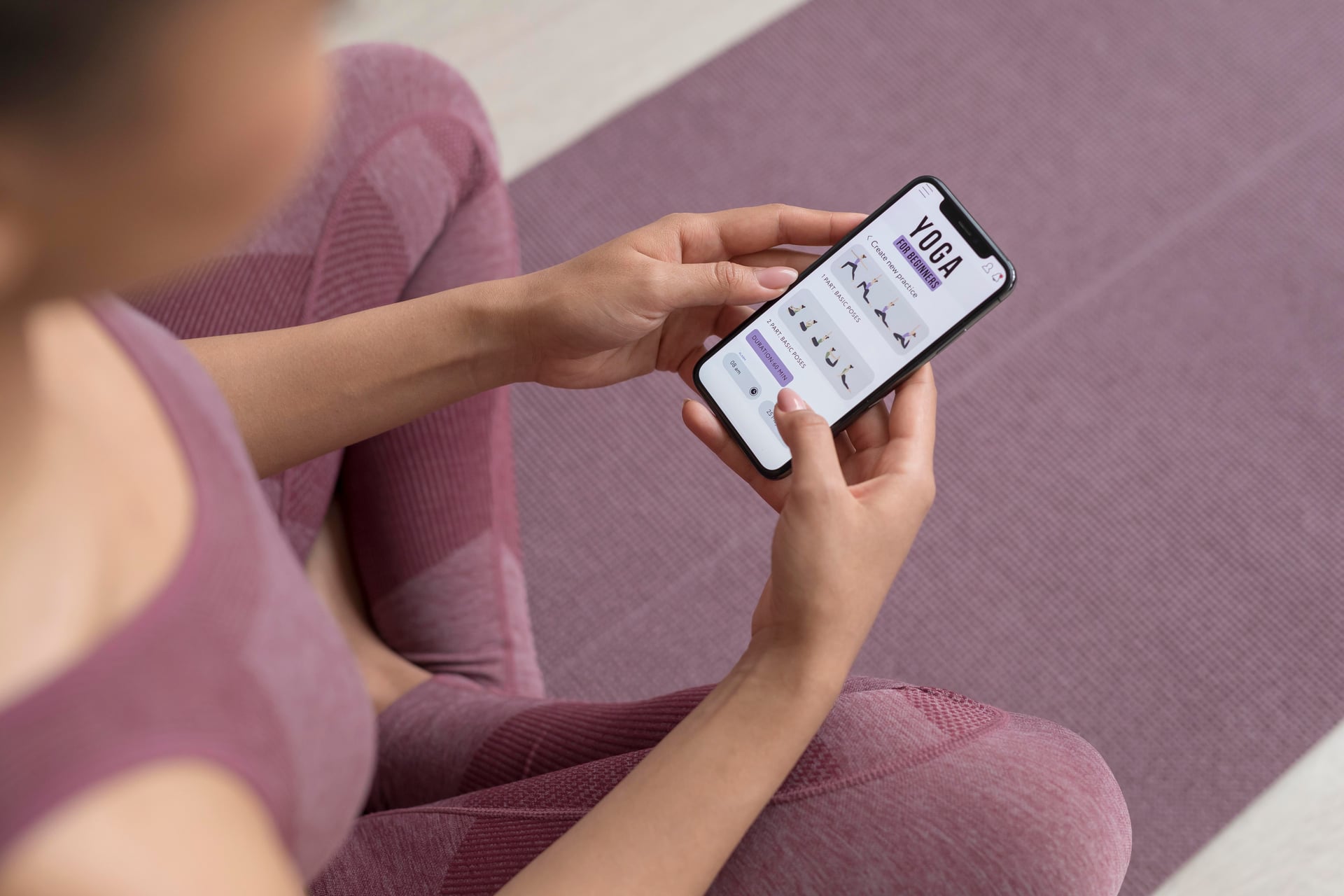
Every dollar you pour into someone else's platform builds their empire, not yours. That subscription fee you pay monthly to host your courses, manage your clients, and deliver your sacred content? It's rent. You're a tenant in a digital building where the landlord can raise prices, change the rules, or shut down entirely, and you have zero recourse because you never owned the foundation beneath your feet.
Spiritual entrepreneurs deserve better than this precarious arrangement, which is why the decision to own your wellness app represents one of the most strategic moves you can make for long-term business sustainability and creative freedom.
The Hidden Cost of Building on Rented Land
The platforms that promise to make your life easier have a business model that depends on your continued dependence, and this fundamental misalignment of incentives creates risks that most founders don't fully appreciate until they're deep into a crisis. When you build your breathwork library on Kajabi, your tarot courses on Teachable, or your journaling programs on Mighty Networks, you're constructing something valuable on land you don't control.
Consider what you're actually paying for: the privilege of accessing features that can be removed, pricing that can increase, and policies that can shift without your consent. These platforms have investors who expect returns, which means the pressure to extract more value from users like you will only intensify over time. The monthly fee you signed up for three years ago has likely already increased, and it will increase again because that's how the model sustains itself.
Beyond the direct costs, there's the invisible tax of conformity you pay every single day. Your brand lives inside their templates, your client experience flows through their interface, and your sacred offerings get squeezed into their predetermined boxes. The platform's aesthetic becomes your aesthetic by default, which means your divination practice ends up looking remarkably similar to thousands of other practitioners using the same tool.
What It Actually Means to Own Your Wellness App
When you own your wellness app, you possess something fundamentally different from a subscription, and the distinction matters enormously for practitioners who think in terms of legacy, lineage, and long-term impact. Ownership means the code, the design, the client data, and the entire digital ecosystem belong to you in a legal and practical sense that no platform subscription can replicate.
Your client relationships live in your database, not theirs. Your content exists on your servers, under your control. Your brand expression has no artificial boundaries imposed by someone else's template system. When a client downloads your app from the App Store, they see your name, your icon, and your vision, because you built something real rather than renting space inside someone else's creation.
Ownership isn't about control for control's sake. It's about having the freedom to evolve your offerings without asking permission and the security of knowing your life's work can't be deleted by a platform policy change.
This distinction becomes especially important when you consider the nature of spiritual work itself, which often involves holding sensitive information, guiding people through vulnerable transformations, and building trust over years of consistent presence. Your clients deserve to know that their journey with you isn't contingent on a third-party company's quarterly earnings report, and they deserve an experience that feels like an extension of your practice rather than a generic software product.
Platform Dependency Risk: Three Scenarios That Should Concern You
The risks of platform dependency aren't theoretical concerns designed to create fear; they're documented patterns that have disrupted real businesses run by people just like you. Understanding these scenarios helps clarify why the decision to own your wellness app carries strategic weight beyond mere preference.
- 🔥The price hike scenario: Your platform announces a 60% price increase with 30 days notice, forcing you to either absorb the cost, pass it to clients, or scramble to migrate years of content to a new home while maintaining service continuity.
- ⚡The feature removal scenario: A capability you built your entire delivery model around gets deprecated because it didn't serve the platform's broader user base, leaving you to rebuild your client experience from scratch.
- 💔The shutdown scenario: The platform gets acquired, pivots to enterprise, or simply fails, and your business faces an existential deadline to export whatever data you can salvage before the lights go off.
Each of these scenarios has played out repeatedly across the creator economy, and spiritual entrepreneurs are particularly vulnerable because they often lack the technical resources to execute rapid migrations. The practitioners who built thriving communities on platforms like Periscope, Google+, or various course hosting services that have since shut down understand this pain intimately.
The Compounding Value of Ownership Over Time
Platform subscriptions are pure expense; the money flows out and nothing accumulates on your side of the ledger regardless of how long you pay. When you own your app, every improvement, every piece of content you add, and every client who joins contributes to an asset that belongs to you and appreciates over time.
Consider the five-year math: a $300 monthly platform subscription costs $18,000 over that period, and at the end you own nothing except the hope that you can continue paying for access. An owned app, by contrast, becomes increasingly valuable as your library grows, your client base expands, and your brand recognition compounds. The Breath of Karuna breathwork app demonstrates this principle beautifully, where every guided session added creates permanent value rather than temporary content.
Your owned app also creates strategic optionality that subscriptions never provide. You can license your technology, white-label for other practitioners, sell the app as part of a larger business exit, or pass it to a successor who continues your lineage. These options simply don't exist when your business depends on someone else's platform, because you can't sell what you don't own.
How to Own Your App Without a Six-Figure Custom Build
The traditional objection to app ownership has always been cost, because custom development historically required budgets that only well-funded startups could afford. This reality kept countless spiritual entrepreneurs trapped in the subscription model despite knowing it wasn't serving their long-term interests, but the landscape has shifted dramatically.
Kitari Global exists specifically to bridge this gap, offering practitioners the ability to own your wellness app through a model that provides genuine ownership without the traditional custom development price tag. Our breathwork apps, divination apps, and journaling apps give founders real assets they control, and for those with unique visions, our custom development services create bespoke solutions at a fraction of traditional agency costs.
The path forward doesn't require you to choose between unaffordable custom builds and precarious platform dependency. It requires you to partner with builders who understand both the technical requirements of app ownership and the sacred nature of the work you do. Your clients trust you with their transformation; you deserve technology infrastructure worthy of that trust.